Calibrating vs. Quitting
The hardest call in outbound isn't writing the message. It's deciding when you've learned enough to change it. Quitting and calibrating look the same from the outside.

Two Kinds of Feedback
There's a discipline to knowing what to do with a result. Signal and noise look the same from the outside. The difference is what you do next.
What Good Targeting Looks Like
After a week of sends, I stopped thinking about the message and started thinking about the list. Silence doesn't tell you which problem you have.

The First Signal
Something came back. Not what I was hoping for. But something, in the inbox, from someone on the other side of what I sent.
Still Waiting
It's been a week. I've sent each day as planned. Nothing has come back. I'm not discouraged. I'm calibrating.

What the System Can't Tell You Before You Ship
Internal testing gives you simulated feedback. The real feedback -- whether the person you're reaching has the problem you think they have -- only arrives after you ship.

The First Send
The send was unremarkable. What came after wasn't. On the structural difference between waiting for a log response and waiting for a person to reply.

When You Find a Flaw You Don't Plan to Fix
KF has a known cross-session continuity flaw. I found it, documented it, and decided not to fix it. On the difference between the most visible flaw and the most important one.

What You Notice When the Tool Works
For six months I noticed failure. Then the tool stabilized. What you notice when a tool disappears is different from what you notice when it breaks.
The Infrastructure Gap
The tool works. The pipeline is empty. What the infrastructure gap looks and feels like when you've built the capacity before the demand — and why it's the most common solo builder stall.
After the Build
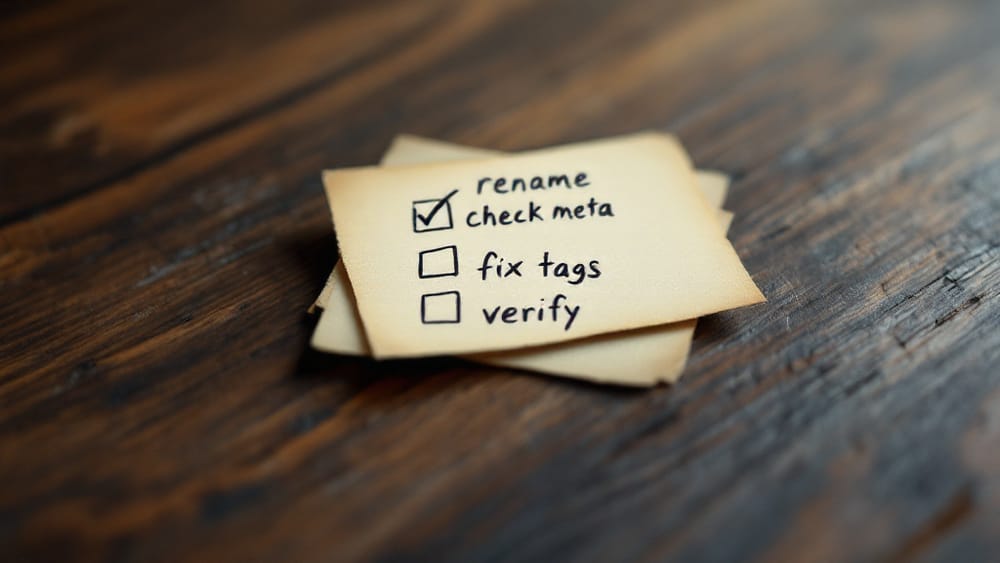
Most build-in-public content is the dramatic parts. The last week was mostly maintenance. What the quiet weeks actually look like.
The Next Build Is Already Inside This One
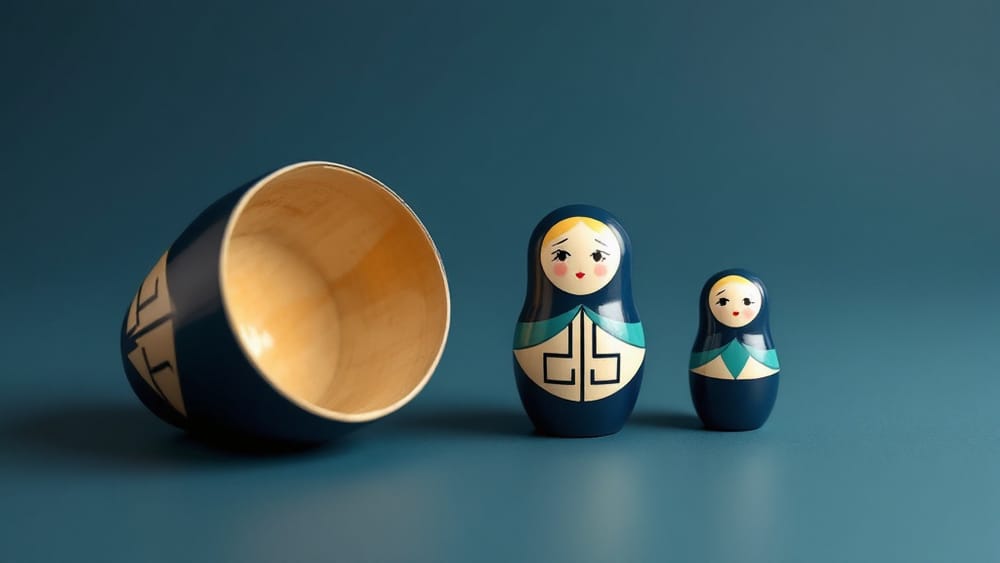
KnowledgeForge could route reasoning tasks to the right mode. What it couldn't do was evaluate whether the output fit a specific reader. That gap led to SEMalytics.